





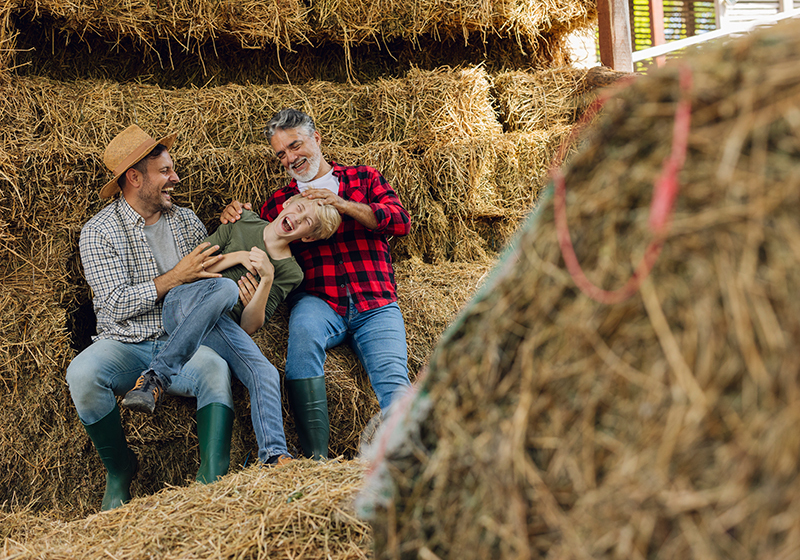
What is Farm Succession Planning and Why It Matters

What Is Farm Succession Planning in Canada & Why It Matters

Abstract: 

Farm succession planning is a critical yet often overlooked responsibility for Canadian farm families. As the farming population ages and farmland values reach historic highs, a well-structured transition plan has become essential to protect both the operation and the family behind it. This article explores what farm succession planning truly entails, from defining ownership and management roles to coordinating financial, legal, and tax strategies. It also examines the risks of not planning, including tax liabilities, probate delays, operational disruption, and family conflict. Through practical explanations and real-world considerations, the article demonstrates how early, thoughtful succession planning creates clarity, preserves land value, supports retiring farmers, empowers successors, and strengthens family unity. Designed for farmers, landowners, and professional advisors, this guide provides the foundational understanding needed to begin planning confidently and proactively. 

Farm succession planning is one of the most important yet most overlooked responsibilities in Canadian agriculture. For many families, the farm is more than a business; it is a legacy, a home, a source of identity, and the result of decades (or generations) of sacrifice and stewardship. But as Canada’s farming population ages and farmland values surge to historic highs, the need to formally plan for farm transition has become urgent. 

This article explores what farm succession planning truly means, why it matters, and how it protects both your family and your land. Designed for Canadian farmers, landowners, and advisors, it provides a thorough and practical understanding of the stakes involved and the benefits of planning early. 

Many families benefit from working with Saskatchewan farmland specialists who understand generational transitions, land valuation, and family dynamics, helping ensure decisions are made with clarity and confidence. Learn more about The Cawkwell Group’s farmland real estate expertise in Saskatchewan 

Key Points: Farm Succession Planning in Canada

  • Farm succession planning is the structured transfer of ownership, management, and decision-making authority to the next generation. 
  • Without a documented plan, Canadian farm families may face significant tax liabilities, probate delays, and forced land sales. 
  • Rising farmland values in Canada increase the financial and tax risks of unplanned transitions. 
  • Fair does not always mean equal when dividing farmland among heirs. 
  • Succession planning protects family relationships, retirement income, and long-term farm viability. 
  • Early planning (5–10 years before retirement) provides the greatest flexibility and tax efficiency. 
  • Farm-focused advisors play a critical role in guiding families through complex legal, tax, and emotional considerations. 

Understanding Farm Succession Planning

Farm succession planning is the intentional process of transferring management, ownership, and decision-making authority of a farm business from one generation to the next. Contrary to what many assume, it is not a single document or event. It is a multi-year journey that blends: 

  • Financial planning 
  • Tax strategy 
  • Estate preparation 
  • Legal structuring 
  • Family governance 
  • Operational and management transition 

While it includes familiar elements such as wills, land titles, and financial documents, succession planning is fundamentally about people. It ensures the outgoing generation can retire with dignity and financial stability while empowering successors to take on leadership confidently and sustainably. 

A proper plan addresses: 

  • Ownership: Who legally owns the land and assets? 
  • Control: Who makes decisions, and when does that authority shift? 
  • Management: Who actually runs the operation day-to-day? 
  • Retirement: What income does the retiring farmer need? 
  • Fairness among heirs: How can family tensions be avoided? 
  • Tax exposure: How can the transfer minimize capital gains or erosion of value? 

Without written clarity, even close, well-intentioned families can experience conflict, financial hardship, or unintended tax consequences.

The Agricultural Context: Why This Matters Now More Than Ever

Canadian agriculture is facing massive demographic and economic shifts: 

1. Farmers are aging.  

Canada’s average farmer is approaching retirement age, and many have no formal succession plan in place. 

2. Farmland values are rapidly increasing.  

 Rising land prices mean the tax implications of transferring a farm especially without rollover planning, can be substantial. Reviewing current Saskatchewan farmland listings helps families understand today’s valuation realities. 

3. Family dynamics are changing.  

Not all children want to farm. Some pursue careers elsewhere, leaving families unsure how to divide land fairly. 

4. Farming is more complex than ever.  

Operational knowledge, financing, risk management, and technology adoption require thoughtful leadership transitions. 

5. The cost of NOT planning is far greater today.  

Because farmland represents most families’ wealth, unplanned transitions can lead to devastating outcomes such as: 

  • Forced sale of land to cover taxes 
  • Sibling disputes or litigation 
  • Probate delays 
  • Loss of operational continuity 
  • Financial instability for the retiring generation 
  • Emotional breakdown of family relationships 

Farm succession planning protects the operation’s longevity and the family’s unity. 

What Happens When There Is No Succession Plan?

One of the most effective ways to understand the importance of farm succession planning is to consider the risks of not having a plan. These risks reflect real-world struggles seen across Canadian farm families. 

  • Unexpected capital gains tax at death 
  • Probate delays that disrupt operations 
  • Forced farmland sales 
  • Conflict between heirs 
  • Loss of farming knowledge and continuity 

These outcomes reflect real-world struggles seen across Canadian farm families and are often highlighted in media discussions on farmland transitions and agricultural real estate. View press and media insights from The Cawkwell Group. 

1. Significant Tax Liabilities  

Without strategic tax planning, capital gains taxes may be triggered at the worst possible time, often through a deemed disposition at death. This can force families to liquidate land simply to cover tax obligations that could have been deferred or reduced. 

2. Probate Delays and Legal Complications  

If titles, wills, and ownership structures are unclear, estates can be delayed for months or even years. During that time, operational decisions may be impossible, putting crops, equipment, and financial commitments at risk. 

3. Family Conflict 

Successor expectations, fairness concerns, and emotional attachments to land often collide. When decisions are not documented, misunderstandings become resentments, especially when siblings disagree on farming involvement or inheritance distributions. 

4. Loss of Farm Continuity  

If successors are not identified or trained, operations can fail quickly. Valuable knowledge, planting strategies, soil stewardship, and local market relationships are lost without a proper handoff. 

5. Forced Sale of Farmland  

In the worst cases, families must sell all or part of the operation, breaking the legacy the outgoing generation spent a lifetime building. 

Why Succession Planning Is a Gift to Your Family

A well-designed succession plan does far more than prevent problems. It creates clarity, confidence, and stability for everyone involved. 

1. It Protects Family Relationships 

A thoughtful succession plan creates transparency by documenting roles, expectations, and intentions, reducing misunderstandings that often lead to tension among siblings or between generations. When everyone understands the “why” behind decisions, families maintain trust and unity throughout the transition. 

2. It Ensures Financial Security for Retiring Farmers  

Retiring farmers gain clarity around income, asset ownership, and long-term financial stability. A formal plan outlines where retirement income will come from, whether land rent, partial sales, or other strategies ensuring the outgoing generation is supported without burdening the successor.  

3. It Gives Successors Confidence and Authority  

Successors benefit from knowing exactly what will be expected of them, when they will assume responsibility, and how ownership will transition over time. This clarity helps them prepare, make informed decisions, and step confidently into leadership roles without confusion or conflict about who is “in charge.” 

4. It Preserves the Farm's Financial Health  

A strong succession plan protects the operation from unexpected tax hits, rushed land sales, or operational disruptions. By proactively addressing liabilities, structuring ownership, and defining transition timelines, families can maintain cash flow, protect land value, and ensure business continuity through the changeover. 

5. It Aligns the Entire Family Around Shared Goals  

Succession planning brings families together to discuss what the farm means to them, who wants to be involved, and how the legacy should be carried forward. These conversations create shared understanding and allow the plan to reflect the family’s collective values, not just the wishes of one generation. 

Key Components of a Strong Farm Succession Plan

A strong farm succession plan is built on several interconnected components. Each ensures the smooth transition of ownership, management, and financial responsibility while protecting family harmony and long-term viability. 

1. A Clear Vision for the Future  

Succession planning begins by defining what the farm should look like in the next 5, 10, or 20 years.  

Key considerations include: 

  • Will the farm continue operating or transition to rental income?  
  • Should the operation expand, downsize, or stay stable?  
  • What does each family member want long-term? 
  • What values shape decisions? 

A shared vision aligns expectations and ensures decisions reflect both the business reality and family priorities. 

2. Successor Identification and Role Definition  

Choosing and preparing a successor is one of the most sensitive parts of succession planning.  

What a strong successor plan includes: 

  • Identifying who is willing and capable of running the farm 
  • Defining roles and responsibilities for each heir 
  • Clarifying the difference between management and ownership 
  • Establishing performance expectations and training needs 
  • Creating a timeline for transition of authority 

Clear successor planning helps prevent confusion about who makes decisions and reduces conflict during stressful moments such as illness or market downturns. 

3. Financial and Retirement Planning  

A successful succession plan must protect the outgoing generation’s financial stability. Many retiring farmers have most of their wealth tied up in farmland and equipment,  meaning they rely heavily on the transition plan to fund retirement. 

Financial planning components include: 

  • Calculating retirement income requirements 
  • Determining income sources 
  • Evaluating whether the farm can support two generations simultaneously 
  • Setting buyout terms if the successor must purchase assets 
  • Planning for unexpected events 

When retirement needs are clearly defined, families can make informed decisions. 

4. Tax Strategy  

Tax planning is the backbone of succession planning. Without it, families risk losing significant value to capital gains tax, probate fees, or unintended tax triggers. 

Key tax elements include: 

  • Capital Gains Tax (CGT) 
  • Lifetime Capital Gains Exemption (LCGE) 
  • Intergenerational farm rollover 
  • Use of corporations or trusts 
  • Documentation requirements with CRA 

Working with a farm-focused accountant ensures tax benefits are maximized and compliance risks are reduced. 

Understanding market value and exit options plays a major role in structuring tax-efficient transitions. Learn more about selling farmland as part of a succession strategy.  

5. Legal Structure and Documentation 

Legal planning provides the structure that protects all parties and ensures decisions are enforceable. Without proper documentation, families may face probate delays, disputes, or reversed intentions. 

Core legal components include: 

  • Updated will 
  • Power of attorney & health directives 
  • Title transfers and land deeds 
  • Shareholder or partnership agreements 
  • Co-ownership or buy-sell agreements 
  • Trusts for asset management or tax planning 

Early legal involvement ensures all documents reflect the family’s intentions and comply with federal/provincial laws. 

6. Communication and Family Meetings  

Communication may be the most emotionally challenging component, yet it is the most critical for maintaining harmony.  

Effective communication practices include: 

  • Regular, structured family meetings 
  • Documenting decisions to prevent misunderstandings 
  • Discussing fairness vs. equality openly 
  • Giving non-farming heirs a chance to express concerns 
  • Providing successors with clear expectations 
  • Using neutral advisors when needed 

Good communication turns succession planning from a stressful process into a unifying one. 

Why Early Planning Makes All the Difference 

Succession planning should ideally begin 5–10 years before retirement, and in many cases, starting even earlier is beneficial. That timeline gives the family enough space to discuss goals, test ideas, adjust structures, and prepare the next generation without the pressure of a looming crisis, health event, or sudden market change.  

Early planning allows for: 

  • Gradual transfer of management 
  • Tax optimization over multiple years 
  • Trial periods for successors 
  • Flexibility when unexpected changes arise 
  • More time for mentorship and skill development 

When planning starts early, decisions are made thoughtfully rather than reactively, and everyone involved has time to adapt. 

What Makes Farm Succession Planning Emotionally Complex?

Farm succession planning is not just a legal or financial process, it is an emotional journey that touches every part of family life. For many Canadian farmers, the farm represents far more than an asset. It embodies identity, purpose, heritage, and decades of hard work. Because of this deep personal connection, conversations about succession can feel overwhelming, sensitive, or even risky. 

  • A lifetime of identity and pride is tied to the land 
  • Families must navigate different expectations and dreams 
  • The “fair vs. equal” dilemma creates sensitive conversations 
  • Succession neans confronting aging and mortality 
  • Differences in communication styles and family dynamics 
  • Fear of Losing Control or Creating Conflict 
  • Emotional weight of legacy preservation 

A succession plan gives everyone a voice and ensures decisions are made with empathy and clarity. 

How Farm-Focused Advisors Support a Smooth Transition

Most families cannot (and should not) navigate succession alone. Farm-focused professionals provide clarity and objectivity. 

These include: 

  • Accountants (tax strategy) 
  • Lawyers (legal structure & documentation) 
  • Financial planners (retirement income strategy) 
  • Succession facilitators (family meetings) 
  • Farmland realtors (valuation and market strategy) 

By choosing professionals who specialize in agriculture, not generic real estate or tax services, families minimize risk and protect long-term wealth.

Frequently Asked Questions About Farm Succession Planning

What is the purpose of farm succession planning? 
To ensure farmland, management, and income transfer smoothly while minimizing tax exposure and family conflict. 

Is succession planning only for retiring farmers? 
No. Early planning benefits farms at all stages and creates flexibility. 

Does succession planning only apply to family farms? 
No. It applies to family transfers, partnerships, and planned sales. 

When should Canadian farmers start succession planning? 
Ideally 5–10 years before retirement. 

Why Succession Planning Is One of the Most Important Choices You Will Ever Make 

Farm succession planning is more than a legal task. It is a profoundly important act of stewardship, protecting both the financial and emotional legacy of your life’s work. The earlier you begin, the more options you have and the smoother the transition will be. 

Ready to start planning your farm’s future? 

The Cawkwell Group specializes in supporting Canadian farmers through the valuation, sale, and transition of farmland. Whether you are preparing to retire, passing land to family, or seeking guidance on next steps, our team is here to help. 

 Contact us today to begin your succession planning journey with confidence. 

About the Author

Ted Cawkwell is a Saskatchewan-based farmland specialist with decades of experience working directly with Canadian farm families. As a key member of The Cawkwell Group, Ted specializes in farmland valuation, farm real estate transactions, and advisory services related to estate planning and farm succession. 

Ted has guided hundreds of producers through complex land transitions, helping families navigate capital gains considerations, intergenerational transfers, and long-term farm continuity. His practical, experience-driven approach reflects a deep understanding of both the financial realities of modern agriculture and the family dynamics that shape successful succession planning. 

This article reflects Ted Cawkwell’s firsthand experience advising Canadian farm families on farmland transitions and succession planning. 


Facebook
Instagram
Website


Ted Cawkwell

 TED CAWKWELL

  RE/MAX SASKATOON 306-986-7255 [email protected] "Your Experts in the Field"   For the most up-to-date information and listings, please visit our website.  www.cawkwellgroup.com

Check out this article next

The Complete Guide to Farm Succession Planning in Canada

The Complete Guide to Farm Succession Planning in Canada

Abstract: Farm succession planning has become a critical priority for Canadian farmers as demographics shift and land values continue to rise. This comprehensive guide explores the essential steps required to transition a…

Read Article