





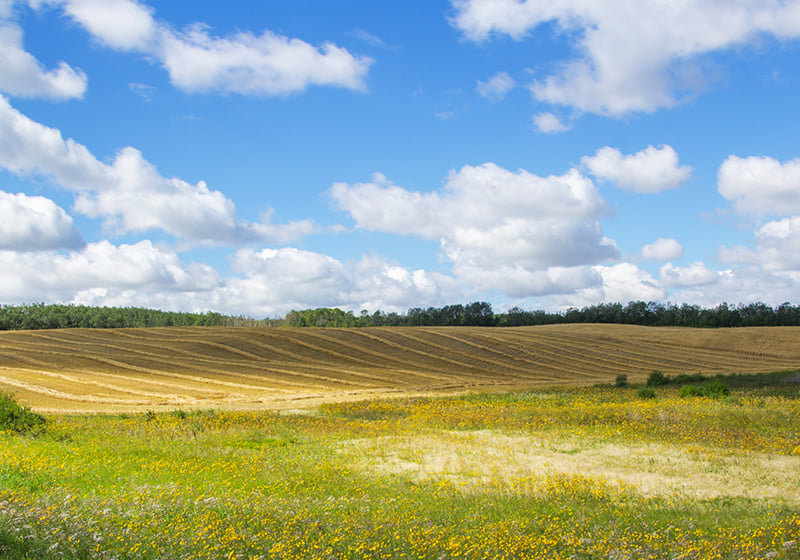
Abstract: Transferring farmland to family members is one of the most complex and consequential legal processes in Canadian agriculture. Unlike routine real estate transactions, farm transfers require careful coordination of land titles, wills, ownership structures, partnership or shareholder agreements, and tax considerations, all while protecting family harmony and long-term operational continuity. This article provides a clear, step-by-step overview of the seven essential legal stages involved in transferring farmland to the next generation. From assessing land titles and choosing the right transfer method, to drafting critical legal documents and aligning tax strategy with provincial and federal requirements, the guide helps farm families understand exactly what is required to complete a legally sound and conflict-free transition. It also highlights how proper communication and professional support reduce risk and ensure clarity for all heirs. Designed for retiring farmers, successors, and advisors, this resource offers practical, authoritative insight into building a transition plan that protects your land, your income, and your legacy for generations. Transferring farmland to the next generation is one of the most significant legal processes a Canadian farm family will ever navigate. Unlike selling residential or commercial property, a farm transfer is layered with legal, tax, and estate considerations that directly influence family relationships, financial stability, and long-term operational continuity. This guide breaks down the legal steps involved in transferring farmland to family members in Canada, from preparing land titles and drafting essential documents to choosing the right ownership structure and protecting the interests of both generations. Whether you are gifting, selling, or rolling over land to your children or grandchildren, understanding the legal framework helps prevent disputes, minimize risk, and ensure a smooth transition. Many families choose to work with Saskatchewan farmland REALTORS® who collaborate closely with legal and tax professionals, ensuring land valuation, ownership structure, and succession goals remain aligned throughout the process. Key Points: Legal Transfer of Farmland in Canada
Why Legal Planning Matters in Farm SuccessionFarm transitions often happen during periods of change: retirement, health challenges, restructuring, or generational planning. Without proper legal preparation, families may face:
Legal clarity is the safeguard that ensures the farm continues operating without interruption, and that each family member’s rights and responsibilities are clearly defined. Before You Begin: Understanding the Legal RoadmapTransferring farmland is not a single transaction; it is a structured legal process that unfolds in several stages. Each step plays an essential role in protecting ownership rights, avoiding tax complications, and ensuring the transition reflects the family’s intentions. By working through these steps in order, families gain clarity, minimize risk, and create a legally sound foundation for the next generation to build upon. The following seven steps outline the core legal actions required to transfer farmland to family members in Canada. Understanding current farmland value and ownership structures early helps inform many of the legal decisions that follow. Review current Saskatchewan farmland listings to get an idea of the current market situation. Step 1: Review and Prepare Land TitlesBefore transferring farmland, the first legal step is confirming title accuracy. Many Canadian farms have complex or outdated title structures due to generational ownership, joint titles, or corporate arrangements. Checklist: What to Review in Your Land Title Records
Why this matters: incorrect or outdated titles are one of the most common causes of delays during succession. Resolving title issues early ensures smoother legal and financial planning. Step 2: Choose the Legal Method of TransferThere are several legal pathways to transfer farmland to family members in Canada, each with different implications for control, tax, and estate planning. The most common methods include:
A traditional sale where the next generation purchases the land at full or reduced market value. Pros:
Cons:
The parent transfers land without requiring payment. Pros:
Cons:
A key legal mechanism allowing land to transfer at cost base, deferring capital gains tax. Pros:
Cons:
Shares in a farm corporation are transferred instead of land titles. Pros:
Cons:
Land is placed into a legal trust for family beneficiaries. Pros:
Cons:
Step 3: Draft Essential Legal DocumentsTransferring ownership cannot rely on verbal agreements or informal plans. Legally binding documents must be drafted and updated to reflect the transition. Below are the core legal documents involved in transferring farmland.
Your will determines how farmland and other assets will be distributed after death. A strong farm succession will typically include:
A POA ensures that someone can legally make decisions if the farm owner becomes incapacitated. Two types matter:
Without a POA, families may face court applications and delays during critical operational periods.
Prepared by a lawyer and filed with the provincial land registry. Includes:
Essential when multiple heirs share ownership. These documents define:
Without clear rules, shared land ownership often leads to disagreement.
When land is held through a family corporation, this agreement outlines:
A shareholder agreement provides structure and protects both farming and non-farming heirs.
If using a trust, lawyers draft:
Trusts are powerful tools but require experienced legal counsel. Step 4: Assess Legal Risks and Protect Both PartiesTransferring farmland can create unintended risks if not properly structured. Clear legal planning protects both generations. Common risks to address:
If only one child farms, equal division may threaten the operation’s viability. Legal documents must clearly outline fairness strategies.
Without proper legal protections, transferred assets may be exposed to:
Parents must ensure they retain adequate income, whether through:
Legal agreements should specify:
These protections reduce misunderstandings as the successor grows into the role. Step 5: Integrate Legal Planning With Tax StrategyA key legal requirement is ensuring the transfer meets CRA’s rules for:
Legal and tax planning must work together. Lawyers and accountants should communicate directly to avoid misalignment on valuation, timing, and documentation. Step 6: Formalize Agreements and Register TransfersOnce decisions are made, your legal team will finalize documents and register:
Proper registration ensures the transfer is legally enforceable and fully recognized by regulators, lenders, and financial institutions. Step 7: Communicate the Legal Plan to the FamilyThe final legal step often overlooked is communication. Even the best legal documents cannot prevent conflict if heirs are surprised later. Hold a structured family meeting to:
This step reinforces transparency, reduces future disputes, and aligns the family behind the transition. Frequently Asked Questions: Legal Transfer of FarmlandCan farmland be transferred without triggering capital gains tax? Do all heirs need to agree to the legal structure? Should legal planning happen before or after tax planning? Is it too early to start legal planning if retirement is years away? Proper Legal Planning Protects Your Land, Your Legacy, and Your FamilyTransferring farmland to family members is a major undertaking, one that requires thoughtful legal structure, clear documentation, and collaboration between professionals. By reviewing titles, choosing the right transfer method, drafting strong legal documents, and coordinating tax strategy, families build a secure foundation for the next generation. The earlier these legal steps begin, the more options you have and the smoother the transition becomes. Need support navigating your farm’s legal transition?The Cawkwell Group works with trusted legal and tax advisors to help families prepare, value, and structure successful farmland transfers. Contact us today to begin planning with confidence. About the AuthorTed Cawkwell is a Saskatchewan-based farmland specialist with decades of experience working directly with Canadian farm families. As a key member of The Cawkwell Group, Ted specializes in farmland valuation, farm real estate transactions, and advisory services related to estate planning and farm succession. Ted has supported hundreds of families through legally complex farmland transitions, working alongside legal and tax professionals to ensure clarity, fairness, and long-term continuity. His experience-driven approach reflects a deep understanding of both agricultural business realities and the family dynamics that shape successful farm succession. This article reflects Ted Cawkwell’s firsthand experience advising Canadian farm families on farmland transitions and succession planning. |
|


|

Check out this article next